Austin's F1 success puts the circuit's growth and driving demands together
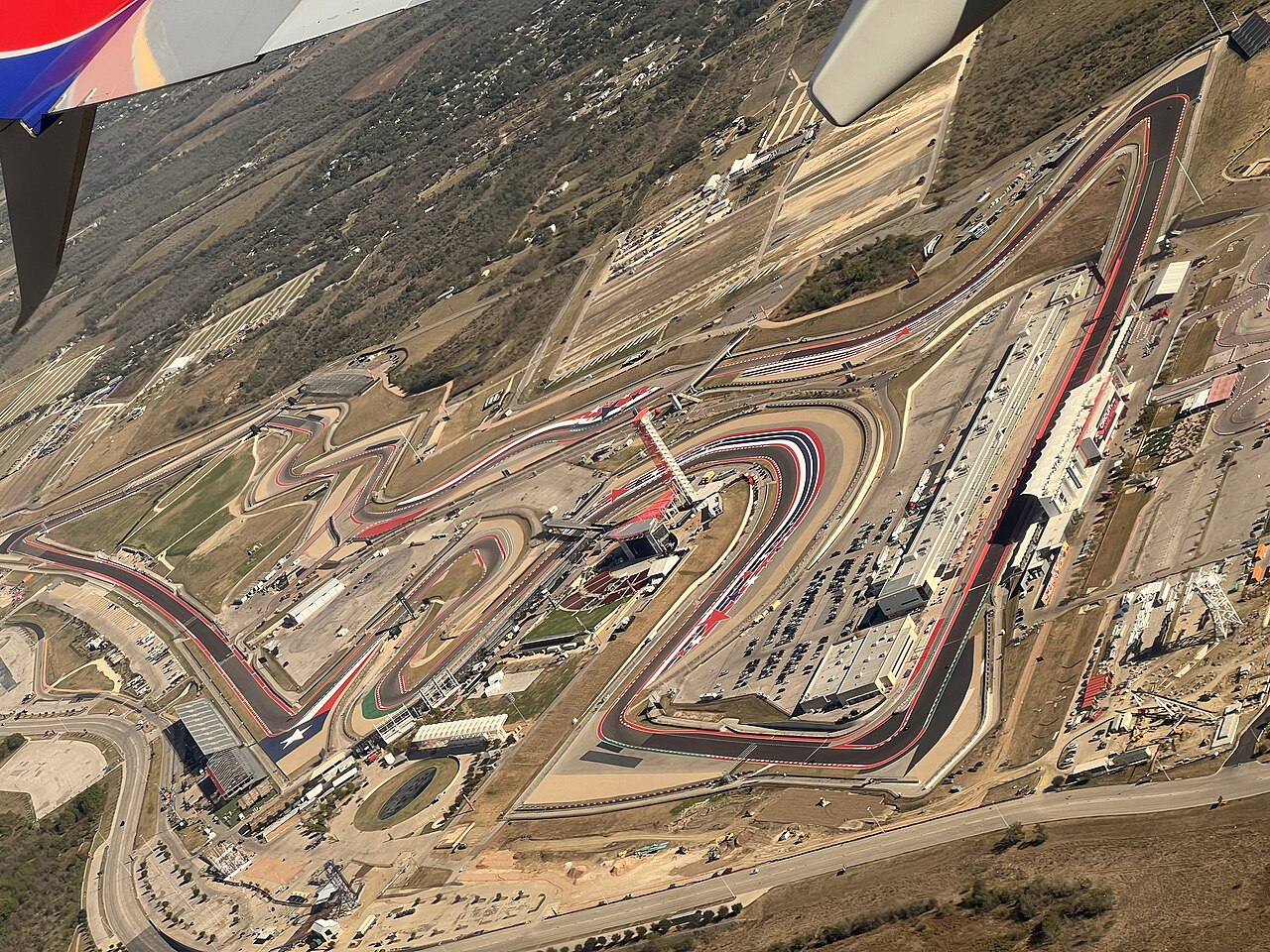
Circuit of the Americas drew a reported record weekend attendance of 467,000 for the United States Grand Prix, according to ESPN. The feature describes a venue balancing commercial expansion with the character drivers and spectators value.
The debate includes the racing surface and the physical demands of its bumps, as well as new hospitality development. Those are connected questions: a successful event still needs a track and spectator experience that justify returning.
Epstein identified access roads as the immediate constraint on further growth, saying the circuit stopped selling additional tickets to avoid excessive travel delays. That shifts part of the success discussion outside the grandstands: the experience of reaching and leaving the venue affects whether the event can responsibly accommodate more people.
The source describes planned road expansion rather than a project already completed. That distinction matters when discussing a possible future attendance above half a million across the weekend. Demand can exist before the surrounding infrastructure is ready to serve it, and the ability to sell more tickets is not the only standard for a better event.
Austin's position in Formula One's American calendar is therefore about more than a single attendance total. Preserving strong racing while accommodating larger crowds is an ongoing operating task. Growth is evidence of demand, while the quality of the weekend determines whether that demand remains durable.