Formula One's engineering offers an astronaut a different lens on performance
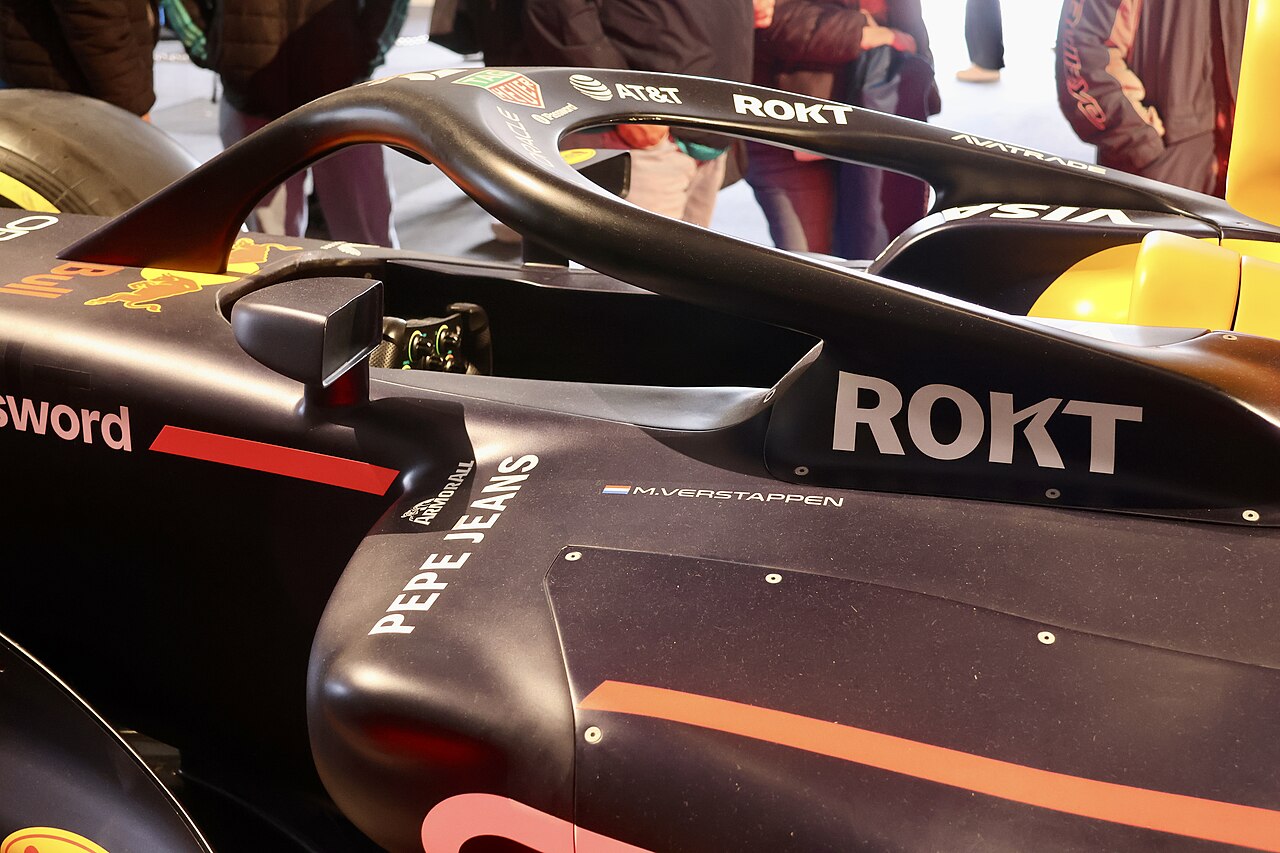
Astronaut Reid Wiseman's conversation with ESPN connects the experience of spaceflight with his interest in Formula One. The feature uses that comparison to examine engineering, feedback and the demands placed on people operating complex machines.
The two disciplines have different missions and risk environments, so admiration for racing technology should not become a blanket claim that one organization is better at every kind of engineering. The interesting comparison concerns how teams learn, communicate and improve within their own constraints.
One anecdote concerns the spacecraft windows becoming marked by the astronauts repeatedly looking through them. Wiseman described the need to clean them before an imaging check, a small human detail inside a mission otherwise associated with extraordinary technical precision.
The comparison with racing is useful at that human scale. Both settings rely on people interpreting information and communicating under constraints, even though the aims and machinery differ sharply. Understanding a system includes the ordinary ways its operators interact with it, not only the most advanced component or the most dramatic moment of a mission.
For F1 viewers, that perspective offers another way to watch the work behind a lap time. A quick car is the visible product of decisions made across a much larger system, from preparation and measurement to the response when something does not behave as expected.