United's ownership structure belongs in the discussion of its football problems
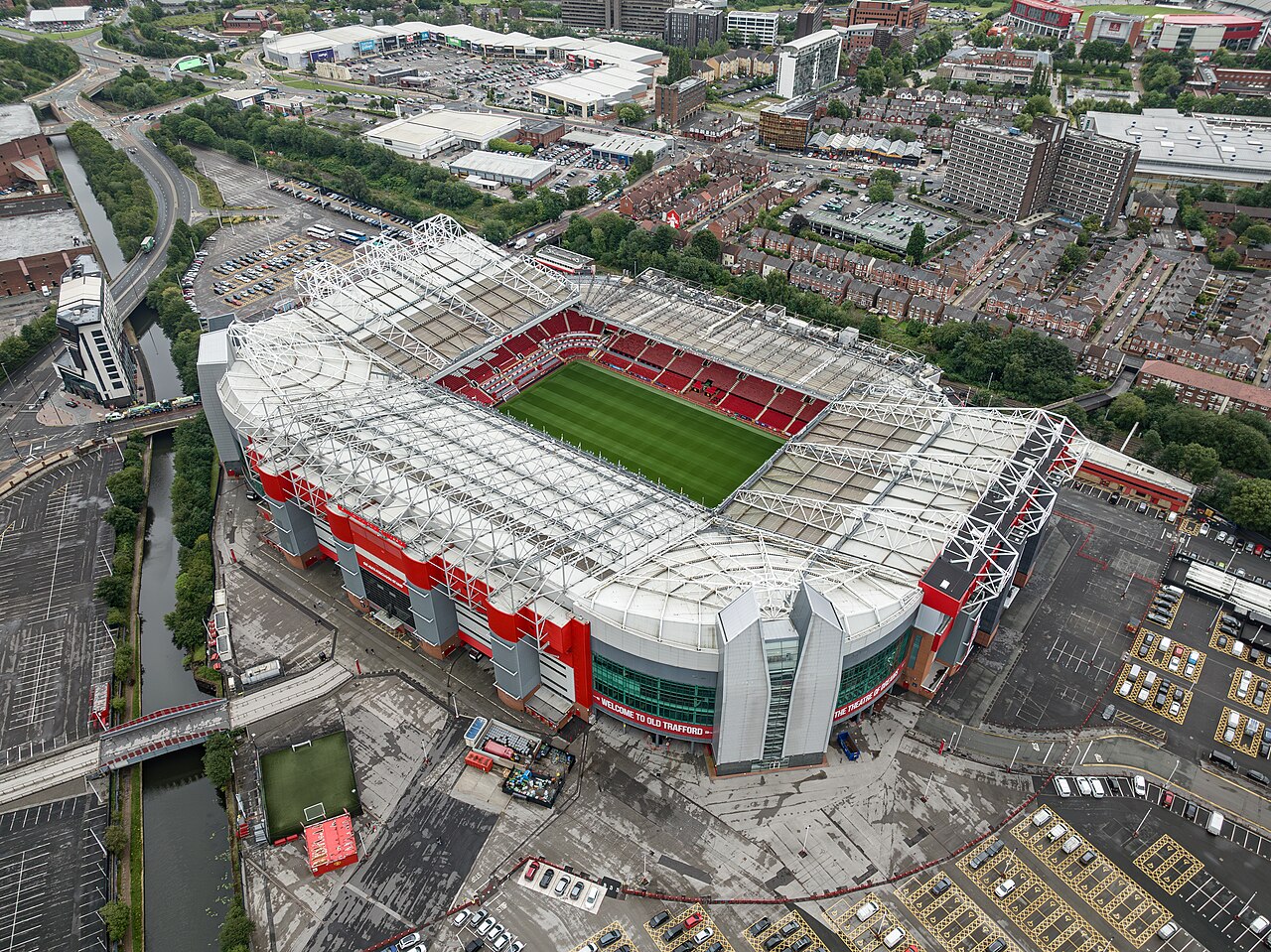
ESPN's analysis of Manchester United asks where responsibility sits above the manager during another difficult run. The feature focuses on the Glazer family's controlling position and the football responsibilities delegated under the arrangement with Sir Jim Ratcliffe.
That is a broader question than deciding who should coach the next match. Recruitment priorities, executive appointments and the division of authority can shape a club long before the consequences become visible on a Saturday.
The arrangement described in the source gave Ratcliffe a 28 percent stake in the February 2024 transaction while assigning his group responsibility for football operations. A minority holding and a major operational role can coexist, which is why ownership percentage alone does not answer every question about who controls a sporting decision.
Clear accountability requires distinguishing those roles without allowing either level to disappear from scrutiny. The people directing football need to explain their choices, and controlling owners remain part of the structure that grants that authority. The next improvement depends on better decisions within that arrangement, not simply another public argument about which name should take all the blame.
The useful demand is clarity about who makes which decisions and how those decisions are judged. Supporters can question ownership without turning predictions about a manager's departure into confirmed news. United's structure deserves scrutiny on its own terms, alongside the performances of the players and coaching staff.